Is Rust Proofing Worth It in the UK?
The complete guide to protecting your vehicle from corrosion
If you own a vehicle in the UK, you may have wondered whether rust proofing is really worth the money.
The simple answer is yes. For most vehicle owners, rust proofing is one of the best investments you can make to help extend the life of your car.
However, the answer also depends on how long you intend to keep the vehicle.
If you have leased a brand-new vehicle for three to five years and plan to return it at the end of the agreement, rust proofing may not be high on your list of priorities. Most lease vehicles are returned long before corrosion becomes a serious issue.
If, however, you have bought your vehicle outright, plan to keep it for many years, own a classic car, Land Rover, campervan, pickup or cherished performance vehicle, rust proofing becomes a sensible investment that could save thousands of pounds in future repair costs.
The UK’s climate, road maintenance practices and coastal environment create almost perfect conditions for corrosion. While modern vehicles leave the factory with some degree of corrosion protection, no manufacturer can stop time, road salt or stone damage. Eventually, factory coatings deteriorate, leaving steel exposed to the elements.
Why do vehicles rust so quickly in the UK?
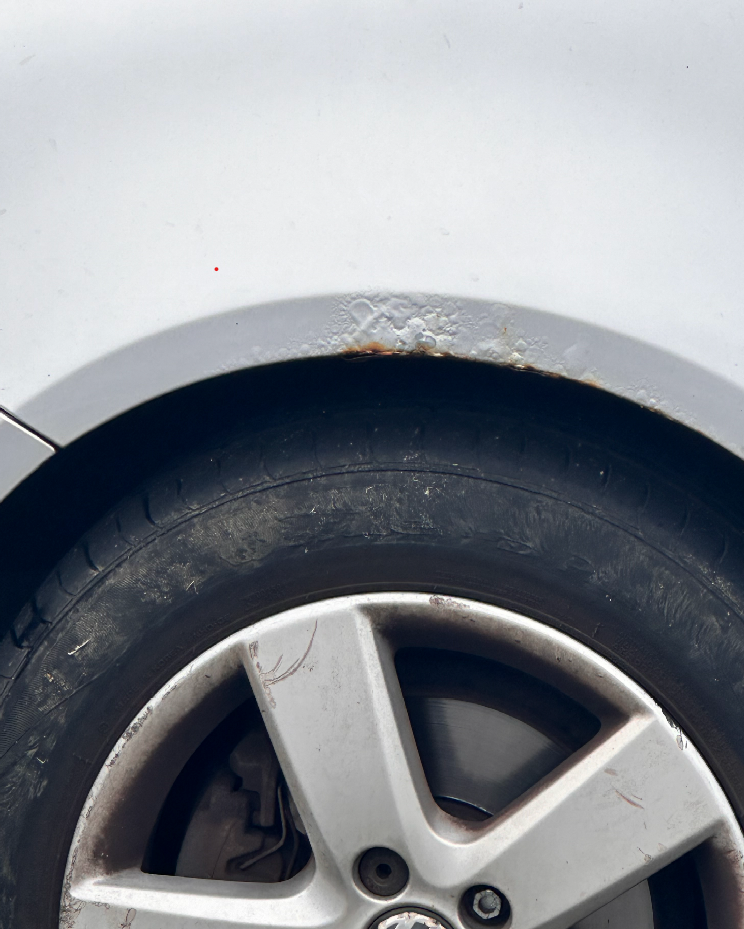
Corrosion is simply steel returning to its natural state. For rust to develop, it needs oxygen, moisture and time. Add road salt into the equation and the corrosion process speeds up dramatically.
Unfortunately, the UK provides ideal conditions for corrosion. Frequent rainfall, high humidity, damp winters and the widespread use of de-icing salt combine to create one of the harshest operating environments for vehicles in Europe.
Every winter, local authorities spread thousands of tonnes of salt across Britain’s roads to keep them safe. While this is essential for road safety, salt creates an aggressive environment for exposed steel, particularly underneath your vehicle.
Many people assume that washing their vehicle removes all traces of road salt. Unfortunately, this is not always the case.
Road salt sticks even when you cannot see it
Sodium chloride crystals have a strong affinity for moisture and metal surfaces.
As they dry, they can become lodged within microscopic surface imperfections, seams, spot welds and crevices, where they are difficult to remove with water alone.
Simply pressure washing the underside of a vehicle may remove loose contamination, but it often leaves behind residual salt deposits that continue to attract moisture and accelerate corrosion.
Specially formulated salt-removal products, such as Rustbuster Chlor-X, use wetting agents and advanced cleaning chemistry to reduce the surface tension between the salt crystals and the metal. This allows the salt to dissolve more readily and be thoroughly rinsed away.
This provides a much cleaner surface before applying cavity waxes or underbody coatings and helps maximise the long-term performance of the rust proofing treatment.
Salt can also become trapped inside chassis rails, box sections, sills, suspension mounting points, crossmembers, spot welds, body seams and cavities.
These hidden areas are impossible to clean properly with a normal car wash, allowing corrosion to continue unnoticed.
Location plays a huge part
Where you live has a significant influence on how quickly your vehicle corrodes.
Within the protective coatings industry, buildings and vehicles located within approximately 6 miles, or 10 km, of the coastline are generally regarded as being in a coastal environment.
Many people assume you have to live right next to the sea to suffer from corrosion. In reality, airborne chlorides are carried inland by prevailing winds and settle on vehicles throughout the year.
If you live in coastal areas such as Cornwall, Devon, Norfolk, Kent, Wales or the Scottish coastline, your vehicle is continuously exposed to airborne salt, even during the summer months.
This additional salt contamination combines with winter road salt to accelerate corrosion far more quickly than many vehicle owners realise.
Scotland vs England: why some vehicles corrode faster
One thing Rustbuster has consistently seen after decades of inspecting vehicles is that location matters.
Vehicles regularly driven in Scotland often show considerably more corrosion than similar vehicles from the Midlands or southern England.
The reason is straightforward.
Scotland generally experiences longer winters, lower temperatures, more snow and ice, and more frequent road salt applications.
The more often a vehicle is exposed to road salt, the greater the opportunity for corrosion to develop.
This does not mean vehicles in England do not rust. They certainly do. However, environmental conditions have a significant impact on the rate of corrosion.
Do modern cars already have rust protection?
Yes, but not forever.
Modern European Domestic Market vehicles leave the factory with a combination of galvanised steel panels, aluminium and E-coated steel, cavity waxes, seam sealers and underbody coatings designed to withstand European driving conditions.
Most manufacturers also offer an anti-perforation warranty, typically lasting between 10 and 12 years.
However, these warranties are often misunderstood.
An anti-perforation warranty does not guarantee that your vehicle will never rust.
Instead, it usually covers corrosion that causes the bodywork to perforate from the inside out, provided the vehicle has been maintained according to the manufacturer’s servicing requirements.
These warranties generally do not cover surface corrosion, stone chip damage, accident damage, chassis corrosion, suspension components or neglected maintenance.
Once the anti-perforation warranty expires, there are no manufacturer guarantees against corrosion.
If you intend to keep your vehicle beyond this period, investing in professional vehicle rustproofing services can significantly reduce the likelihood of expensive structural corrosion repairs later in the vehicle’s life.
What about Japanese import vehicles?
Owners of imported vehicles regularly ask whether Japanese Domestic Market vehicles need additional rust protection.
In many cases, the answer is yes.
There is no regulation specifying exactly how much corrosion protection manufacturers must apply to a vehicle. Instead, corrosion protection is engineered around the climate and operating conditions expected within the intended market.
European Domestic Market vehicles are generally designed for countries where roads are routinely treated with de-icing salt throughout the winter.
Japanese Domestic Market vehicles are primarily designed for use in Japan. Although some regions experience snow, many imported vehicles arrive in the UK with less comprehensive underbody protection than their European counterparts.
Once they experience their first British winter, they are suddenly exposed to prolonged damp conditions and levels of road salt they may never previously have encountered.
This is why freshly imported vehicles are often among the first Rustbuster recommends for professional rust proofing.
Is washing your vehicle enough?
Regular washing is an essential part of vehicle maintenance and should always be encouraged.
However, washing alone cannot reach enclosed cavities, chassis rails or hidden seams where corrosion often begins.
Professional rust proofing works by treating the areas you cannot see.
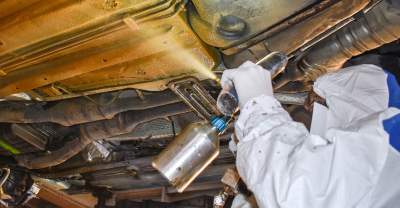
Penetrating cavity waxes creep into enclosed sections, displacing moisture and helping to prevent corrosion from developing inside structural components.
Underbody coatings create a durable protective barrier against water, salt and stone impact.
What products are used during professional rust proofing?
Professional rust proofing is much more than spraying wax underneath a vehicle.
A comprehensive treatment protects both hidden cavities and exposed underbody components.
Products such as Dinitrol 3125 HS Cavity Wax are specifically designed to penetrate enclosed box sections, seams and cavities, leaving behind a flexible, corrosion-resistant wax film.
For exposed chassis rails and underbody panels, Dinitrol 4941 Black Underbody Coating provides a durable protective barrier that resists road salt, moisture and stone damage.
Many owners also choose lanolin rust proofing systems.
Lanolin-based products such as Corrolan remain soft, flexible and self-healing, making them particularly suitable for vehicles operating in coastal areas, agricultural environments and off-road conditions.
The most suitable rust proofing system depends on the vehicle’s age, existing corrosion, annual mileage, usage, storage conditions and intended ownership period.
What if rust has already started?
One of the biggest misconceptions is that rust proofing only benefits brand-new vehicles.
In reality, many older vehicles can still be successfully protected.
Where corrosion is already present, affected areas should first be cleaned and prepared using appropriate rust removal tools before corrosion inhibitors, cavity waxes and protective underbody coatings are applied.
Preventative treatment carried out early almost always costs significantly less than repairing structural corrosion later.
What Rustbuster has learned after decades of rust proofing
Rustbuster has spent decades inspecting, repairing and protecting vehicles from every corner of the UK.
Some clear trends appear time and time again.
Vehicles from coastal counties consistently show more corrosion than similar vehicles from inland areas.
Vehicles used throughout Scottish winters generally suffer greater corrosion than comparable vehicles operating mainly in central England.
Imported vehicles benefit enormously from early rust proofing before their first exposure to prolonged UK winter conditions.
Perhaps the biggest lesson is this: vehicles protected while still in good condition stay in good condition.
Those left until corrosion becomes established inevitably require more extensive and considerably more expensive repairs.
Preventing corrosion is always easier, cheaper and more effective than repairing it.
So, is rust proofing worth it?
For the vast majority of UK vehicle owners, absolutely.
If you are leasing a brand-new vehicle for just three or four years, rust proofing may not provide enough benefit during your ownership to justify the investment.
However, if you have bought your vehicle outright, intend to keep it for the long term, own a classic, 4×4, campervan, commercial vehicle or imported vehicle, rust proofing is one of the smartest preventative maintenance decisions you can make.
The UK’s wet climate, widespread use of road salt and coastal conditions create an ideal environment for corrosion.
Factory-applied protection gradually deteriorates, anti-perforation warranties eventually expire, and once corrosion becomes established, repairs become increasingly expensive.
Professional rust proofing will not make a vehicle immune to corrosion forever, but it will significantly slow the process, protect vulnerable areas and help preserve both the structural integrity and resale value of your vehicle for many years to come.
At Rustbuster, the team has helped protect thousands of vehicles against the harsh realities of the British climate.
Whether you are looking for professional vehicle rustproofing services, advice on lanolin rust proofing, products such as Corrolan, Dinitrol 3125 HS Cavity Wax, Dinitrol 4941 Black Underbody Coating or specialist rust removal tools, preventing corrosion today is always more cost-effective than repairing it tomorrow.
Visit the Rustbuster Ltd website for more information on Is Rust Proofing Worth It in the UK?
ENQUIRY FORM