Restoration Projects, AI v Real World Experience
We’ve all had a play with AI — turning a loved one into a Sesame Street Muppet (just me?) or digitally reviving a rust-ravaged barn find into a concours queen. But does AI really belong at the start of a genuine car restoration?
Rust Doesn’t Follow Rules
AI is a powerful assistant, but restoration happens in the real world. Can it offer practical, usable advice for classic car projects? In my view: no.
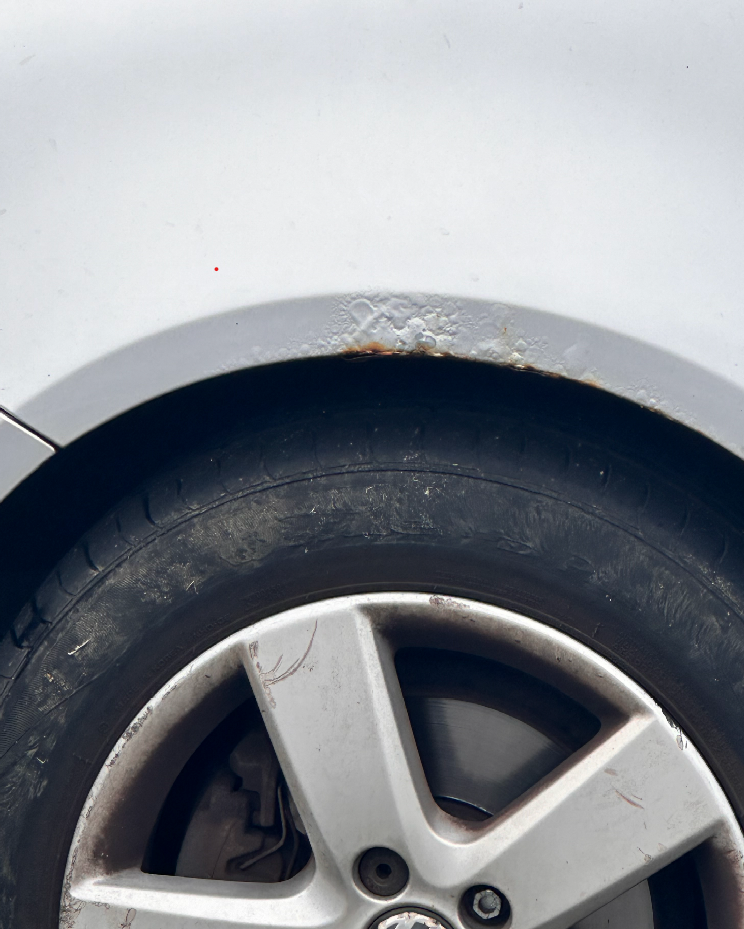
Rust doesn’t read manuals. Cars don’t age consistently. Every vehicle corrodes in different places, shaped by countless variables. That’s where AI struggles — it can’t make allowances for reality. It can list the “top 10” rust removers in the UK, but it can’t feel thin metal, spot a bodge, smell trapped damp or judge how far the repair really needs to go.
Why Restoration Isn’t Repeatable
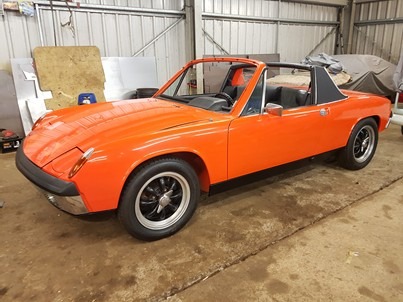
Anyone who’s done more than one project knows restoration is never a repeatable process. Every used car hides a surprise. AI thrives on patterns and consistency — classic cars offer neither.
-
Two identical models can suffer completely different corrosion
-
Coastal cars bear no resemblance to dry-stored examples
-
Old repairs change everything
No algorithm can account for all that.
Where AI Can Help
AI does have a role:
-
Researching known weak points on specific models
-
Surfacing workshop manuals and technical data
-
Helping newcomers avoid obvious early mistakes
It can speed up the research phase — but you still have to read, question and apply that information properly.
Experience Still Wins
Real-world experience is priceless. If it’s your first project, join a local club, go to shows, talk to enthusiasts and speak directly with manufacturers and suppliers. Use AI when it helps — just don’t rely on it.
Nothing beats Old Man Paul in his 80s who’s restored ten cars and seen every mistake twice. Go and find him.
Visit the Rustbuster Ltd website for more information on Restoration Projects, AI v Real World Experience
ENQUIRY FORM